

Golden surprise rewards winter survey at Hasties Swamp

Louise Baume | Guest Contributor
Winter mornings don’t come much better than this.
Under clear blue skies and crisp Tablelands air, ten people gathered for July’s monthly survey at Hasties Swamp National Park – one of Far North Queensland’s premier birdwatching destinations. Framed by rainforest and paperbark woodland, the wetland is a haven for waterbirds throughout the year and offers birdwatchers the chance to encounter an extraordinary diversity of species in a relatively small area. While every monthly survey follows a familiar route, no two visits are ever quite the same – and that’s part of the attraction.
The morning began, as it always does, from the bird hide overlooking the swamp.
The wetlands were bustling with life. Hundreds of Plumed Whistling-Ducks dotted the water, their distinctive whistles carrying across the still morning air. Mixed among them were Pacific Black Ducks, Grey Teal, Hardheads, Australasian Little Grebes, Dusky Moorhens, Eurasian Coots and Purple Swamphens, while egrets stalked the shallows and cormorants perched nearby drying their wings in the early sunshine.

Then came the first surprise of the day.
Two Platypuses appeared directly in front of the hide, surfacing repeatedly as they foraged through the water only metres from the group. Watching one Platypus is always a privilege; watching two at such close range was an unexpected bonus that had everyone lingering a little longer than planned.

The surrounding rainforest was equally productive. Two female or immature Victoria’s Riflebirds were feeding enthusiastically on the bright red fruit of a Bleeding-Heart tree. Their determination to reach every last fruit resulted in an entertaining display of stretching, twisting and balancing among the branches, offering a fascinating glimpse into the behaviour of one of the Wet Tropics’ most charismatic rainforest birds.
Eventually the group decided it was time to leave the comfort of the hide and continue along the access road.
They had barely walked beyond the car park when someone called out the words every birder hopes to hear...
“Golden Bowerbird!”
Instantly, binoculars were raised and conversations stopped.
Perched quietly in a fruiting lilly pilly (Syzygium) tree was a young Golden Bowerbird.
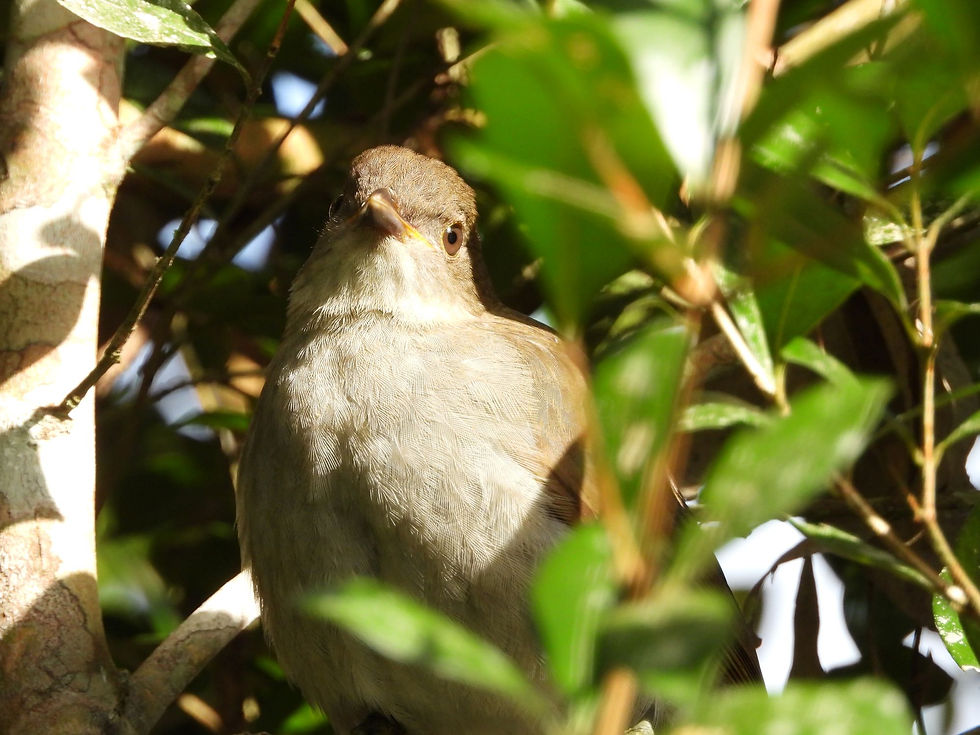
Although the dazzling golden plumage of an adult male makes this one of Australia’s most iconic birds, younger birds are clothed in olive-green feathers that allow them to blend remarkably well into the rainforest canopy. Even so, there was no mistaking the significance of the sighting. Golden Bowerbirds are Wet Tropics endemics that are usually associated with the cool upland rainforests of the region and are only rarely recorded at Hasties Swamp.
The bird appeared completely relaxed, methodically feeding on the ripe fruit while allowing everyone prolonged, uninterrupted views. Reports suggest this individual has been frequenting the area for more than a week, making the most of the abundant fruiting trees around the swamp.

The survey continued, but the excitement lingered.
As the group walked further along the road, the species list continued to grow. A Swamp Harrier drifted effortlessly overhead while the surrounding forest and woodland revealed Eastern Spinebills, Golden Whistlers, Brown Gerygones, Silvereyes, Bower’s Shrike-thrush, Little Shrike-thrush and a variety of honeyeaters moving through the flowering trees.

Just before turning for home, the Golden Bowerbird made one final appearance, this time feeding in another nearby Syzygium. For many participants, a second opportunity to watch this elusive bird simply capped off an already memorable morning.

Meanwhile, another milestone had quietly been reached.
The survey had already exceeded the target number of species required to earn one of Jens’ legendary homemade Amaretto biscuits – a tradition that has become almost as eagerly anticipated as the bird list itself. Sharing coffee, biscuits and stories at the end of each survey has become part of what makes these monthly outings so enjoyable, bringing together people who share a passion for birds, nature and good company.
By the time the group returned to the car park, an impressive 51 species had been recorded. While the Golden Bowerbird was an undisputed Bird of the Day, every survey reinforces just how rich and dynamic Hasties Swamp remains. From waterbirds and raptors to rainforest specialists and mammals such as Platypus, each visit offers something different, rewarding both first-time visitors and regular survey participants alike.

Beyond providing wonderful mornings in nature, these monthly surveys also contribute to something much bigger.
Hasties Swamp National Park protects one of the largest remaining natural wetlands on the Atherton Tablelands and provides critical habitat for resident waterbirds, migratory visitors and a remarkable diversity of rainforest species. By returning month after month, we are building a valuable long-term record of bird populations, seasonal movements and changes in the health of the ecosystem. These observations help build our understanding of how species respond to changing seasons, habitat conditions and longer-term environmental pressures.
That ongoing monitoring has become even more important following the recent detection of highly pathogenic avian influenza (H5N1) in Australia. While there is no reason to avoid enjoying wetlands like Hasties Swamp, birdwatchers are encouraged to remain vigilant for sick or dead birds, particularly waterbirds. Birds should never be handled, but unusual mortality events should be reported to the relevant authorities so they can be investigated promptly.
Every monthly survey contributes another small but valuable piece to the picture. Whether it’s recording common species, documenting an unexpected visitor like a Golden Bowerbird, or helping detect changes in the health of our wetlands, citizen science continues to play an important role in understanding and conserving Australia’s remarkable birdlife.


